
From Global to Regional: Advancing Science Diplomacy
South-East Europe is rich in cultural, ecological, and scientific diversity. Many of the region’s most vital systems, such as the Danube, Sava, and Drin River basins, mountain ecosystems, and the Adriatic coastline, cross national borders. With its transboundary systems, comes shared challenges that no single country can resolve alone.
The region resources sustain livelihoods, biodiversity, and economic activity. However, governing them amid rapid technological change demands strong diplomatic cooperation. This need is particularly urgent when rising temperatures, prolonged droughts, floods, and ecosystem degradation outpace global averages. Additionally, without inclusive governance, smaller and non-EU countries risk being left behind, deepening gaps in science, technology, and innovation.
On 18-19 November 2025, experts explored how science diplomacy can reinforce international cooperation in the region. Guided by a collective vision and evidence-based dialogue, the event brought together UNESCO Chairholders, representatives of UNESCO Category II Centres, United Nations entities, National Commissions, governmental authorities, and academia from over 20 countries.
-1765895937632-w300.jpg "Meet the Women in GovTech 2025") Meet the Women in GovTech 2025
Meet the Women in GovTech 2025  Regional Workshop on Pathways for Meaningful Youth Engagement in
 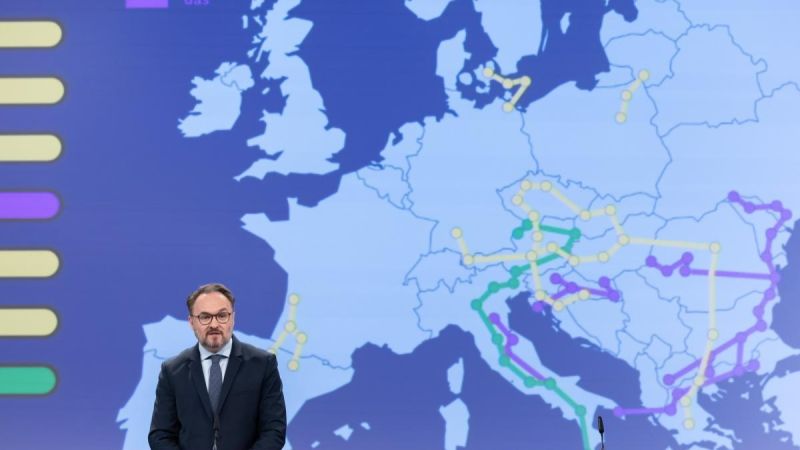 European Commission proposes European Grids Package
  From legal aid to urban planning: Meet the startups enhancing Ukraine’s digital government
  Digital Futures for a Smart Europe: A Feasibility Study on Digital
  UNESCO and Huawei join forces for digital transformation and green